Traveling with pets can feel stressful, but Aer Lingus makes the experience much easier and more reassuring for families and pet owners alike. The airline offers a variety of options to accommodate your pet’s size, weight, and travel needs, ensuring a safe and comfortable journey for your furry companion.
For smaller pets, in-cabin travel allows them to stay close to you throughout the flight, while larger pets can travel as checked baggage or via Aer Lingus’ specialised cargo services. The airline guides approved carriers, documentation requirements, and destination-specific regulations, helping you plan every detail with confidence.
Beyond logistics, Aer Lingus prioritizes your pet’s wellbeing by maintaining comfortable conditions, attentive handling, and clear communication at every stage of travel. Whether you’re heading across Europe or embarking on a long-haul journey, understanding these options and preparing in advance ensures a smoother, stress-free flight for both you and your pet.
Overview of Aer Lingus Pet Policy
Flying with pets can feel stressful, but Aer Lingus has developed a comprehensive pet policy to make the journey safe, comfortable, and stress-free for both pets and their owners. Depending on the type of pet, size, destination, and travel requirements, pets can travel in several ways, each with specific rules and benefits.
Travel Options for Pets
Aer Lingus offers multiple options for bringing your pets along:
- Service Animals in the Cabin
- Only trained service dogs are permitted in the cabin.
- These dogs provide support for passengers with disabilities or medical needs.
- No extra fees are charged for service animals, but proper documentation and certification are required.
- Service dogs stay with their owners, allowing passengers to travel safely and confidently.
- Only trained service dogs are permitted in the cabin.
- Small Pets in the Cabin
- In some cases and destinations, small dogs or cats may travel in the cabin.
- Requires prior approval and reservation, as cabin space is limited.
- Pets must be in an IATA-approved carrier that fits under the seat in front of you.
- This option allows your pet to remain close to you, reducing stress for both you and your furry companion.
- In some cases and destinations, small dogs or cats may travel in the cabin.
- Checked Baggage
- Pets that are too large for cabin travel can fly as checked baggage.
- Requires an approved crate that meets safety, ventilation, and size standards.
- Weight restrictions apply to ensure the pet’s comfort and airline safety.
- This option is suitable for short-haul flights within Europe.
- Pets that are too large for cabin travel can fly as checked baggage.
- Cargo for Long-Haul or International Flights
- For longer journeys, especially international flights or transatlantic travel, pets travel via Aer Lingus pet cargo.
- Pets are placed in temperature-controlled, ventilated areas to ensure comfort and safety.
- Advanced booking is required through the Aer Lingus Cargo Office.
- This option is ideal for larger pets or when traveling outside of Europe.
- For longer journeys, especially international flights or transatlantic travel, pets travel via Aer Lingus pet cargo.
Key Rules and Requirements
To ensure the safety and well-being of all passengers and pets, Aer Lingus has strict guidelines:
- Service dogs only in the cabin: Other pets must travel as checked baggage or cargo.
- Pet types allowed: Cats, dogs, and rabbits are permitted, provided they meet size and weight restrictions.
- Crate requirements: All pets traveling outside the cabin must be in IATA-approved crates that provide safety, ventilation, and comfort.
- Health and documentation: International flights require microchips, up-to-date vaccinations, and health certificates.
- Compliance with regulations: Aer Lingus follows all IATA Live Animal Regulations and destination-specific rules to ensure pets are transported safely.
Aer Lingus Pets Travelling as Checked Baggage
For pet owners flying within Europe, Aer Lingus allows pets to travel as checked baggage, providing a safe and regulated way to bring your furry friend along. This option is ideal for pets that are too large to travel in the cabin but small or medium-sized enough to travel comfortably in a secure, ventilated crate.
Key Requirements for Checked Baggage
To ensure your pet’s safety and comfort, Aer Lingus has established clear guidelines:
- Age Requirement
- Pets must be at least 10 weeks old to travel.
- Younger animals are too fragile for air travel and require specialized care.
- Pets must be at least 10 weeks old to travel.
- Approved Carrier
- Your pet must be placed in an IATA-approved travel crate.
- The crate should allow your pet to sit, stand, and lie down comfortably.
- Adequate ventilation is crucial to ensure your pet can breathe easily during the flight.
- Include a familiar blanket or toy to help calm your pet and reduce travel anxiety.
- Your pet must be placed in an IATA-approved travel crate.
- Weight Limit
- The combined weight of your pet and the carrier cannot exceed 64 kg (141 lbs).
- This ensures the crate can be handled safely by airline staff and that your pet remains comfortable.
- The combined weight of your pet and the carrier cannot exceed 64 kg (141 lbs).
- Breed Restrictions
- Aer Lingus does not allow pets with short noses (brachycephalic breeds), such as Bulldogs or Pugs, because they risk breathing difficulties during flight.
- Temperature Restrictions
- Pets cannot travel if the outside temperature is below 45°F (7°C) or above 85°F (29°C).
- These restrictions help protect pets from heatstroke, hypothermia, or other temperature-related health risks.
- Pets cannot travel if the outside temperature is below 45°F (7°C) or above 85°F (29°C).
- Required Documentation
- All pets must have an EU Pet Passport, a microchip, and a rabies vaccination certificate.
- Depending on the destination, you might need to provide extra health certificates for your pet when flying with Aer Lingus.
- Proper documentation ensures compliance with legal and airline regulations, preventing delays or denied boarding.
- All pets must have an EU Pet Passport, a microchip, and a rabies vaccination certificate.
Special Handling by Aer Lingus Staff
Aer Lingus staff take special care of pets traveling as checked baggage:
- Pets are monitored throughout the journey to ensure safety and comfort.
- Crates are handled with care, minimizing stress from movement or handling.
- Staff are trained to recognize signs of distress and provide additional assistance if needed.
This professional handling ensures your pet arrives safely and comfortably, even if you cannot accompany them in the cabin.
Tips for a Smooth Checked Baggage Experience
- Book early: Checked baggage spots for pets fill quickly, so reserve as soon as possible.
- Prepare the crate: Make sure it’s IATA-approved, clean, and comfortable with bedding.
- Provide water and a small meal: Feed your pet lightly before the flight and ensure hydration.
- Acclimate your pet to the crate: Let them spend time in the crate at home so it feels familiar and safe.
- Arrive early at the airport: Give staff enough time to check documents, weigh the crate, and handle the pet calmly.
Aer Lingus Pets Traveling via Cargo
For long-haul flights, international journeys, or pets too large to travel as checked baggage, Aer Lingus offers a dedicated pet cargo service. This ensures that your furry companions travel safely, comfortably, and stress-free, even on flights that cross oceans or cover long distances.
Which Pets Can Travel via Cargo?
Aer Lingus cargo service is suitable for:
- Dogs of various breeds and sizes
- Cats, including those traveling internationally
- Rabbits and other small animals, subject to crate and documentation requirements
This service works best for pets that are too large for the cabin or checked baggage, or when you’re traveling to destinations that don’t allow cabin travel.
Booking Your Pet Cargo Spot
To reserve a cargo spot for your pet:
- Contact the Aer Lingus Cargo Office via email well before your flight. Early booking is highly recommended, as cargo spaces for pets are limited and in high demand.
- Provide details about your pet, including species, breed, weight, and crate dimensions.
- Inform the airline of any special care or medical needs, so the staff can plan accordingly.
By communicating in advance, you ensure that your pet has priority handling and the proper accommodations during the journey.
Temperature-Controlled and Secure Storage
When pets travel via cargo, Aer Lingus staff place them in specially maintained compartments designed for:
- Consistent temperature control, keeping your pet comfortable in extreme weather.
- Adequate ventilation, ensuring fresh air throughout the flight.
- Safe and secure handling, with crates properly fastened and monitored by trained staff.
This controlled environment reduces stress for your pet, making even long flights as comfortable as possible.
Fees and Cost Considerations
The cost of traveling via cargo depends on several factors:
- Flight distance – longer flights generally cost more.
- Weight of the pet and crate – heavier pets incur higher fees.
- Destination – international flights may require additional documentation and handling.
It’s important to check fees at the time of booking, as prices may fluctuate depending on seasonal demand, route, and pet size.
Restrictions and Special Rules
- Some locations, including Jersey, Rennes, and direct flights to Ireland, may have additional restrictions or prohibitions for pet cargo.
- Aer Lingus follows strict rules to protect the health and safety of pets, including breed-specific restrictions and temperature limitations.
- During extreme weather, Aer Lingus restricts travel for certain pets to protect them from unnecessary risk.
By adhering to these rules, Aer Lingus ensures that every pet travels safely and arrives in good health, even on long and complex routes.
Tips for a Smooth Cargo Experience
- Book Early: Reserve your pet’s cargo spot as soon as you plan your flight to guarantee availability.
- Use an IATA-Approved Crate: Ensure it’s sturdy, ventilated, and large enough for your pet to move comfortably.
- Prepare Documentation: Include health certificates, microchip information, and vaccination records.
- Label the Crate Clearly: Include your name, contact information, and destination.
- Acclimate Your Pet: Let your pet spend time in the crate before the flight to reduce stress.
- Arrive Early: Allow time for cargo check-in procedures and staff assistance.
Aer Lingus Cabin Policy
Aer Lingus understands that for some passengers, service dogs are essential companions, providing critical support for mobility, medical needs, or disabilities. The airline’s cabin policy ensures that service dogs can travel safely with their owners, while maintaining comfort and safety for all passengers on board.
Who Can Travel in the Cabin?
- Only trained service dogs are allowed in the cabin.
- These dogs must provide assistance to passengers with disabilities, such as guiding visually impaired travelers, alerting to medical conditions, or offering mobility support.
- Cats, small dogs, rabbits, and other non-service animals cannot fly in the cabin; you must book them with Aer Lingus as checked baggage or cargo
This policy ensures that passengers who rely on their service dogs can keep them close, while maintaining a safe and comfortable environment for all travelers.
Documentation and Requirements
To fly with a service dog in the cabin, Aer Lingus requires:
- Proof of training or certification that the dog is a legitimate service animal.
- Relevant medical or disability documentation, if requested by the airline.
- Advance notification to Aer Lingus when booking, so staff can prepare seating and accommodate your service dog.
Providing this documentation in advance ensures a smooth check-in process and helps the cabin crew prepare for your arrival.
Cost and Fees
- No extra charge is applied for service dogs traveling in the cabin.
- Other pets, including non-service dogs and cats, are subject to checked baggage or cargo fees depending on size, weight, and flight distance.
This makes flying with your service dog both practical and cost-effective.
Cabin Comfort and Care
Aer Lingus staff take extra care to ensure:
- Service dogs remain close to their owner throughout the flight.
- Adequate space is provided under or near the seat for the dog to sit or lie comfortably.
- Cabin crew are aware of the dog’s presence and can assist with any specific needs during boarding, turbulence, or long-haul flights.
Passengers can enjoy peace of mind knowing their service dog is with them, safe, and cared for throughout the journey.
Tips for Flying with a Service Dog
- Book in Advance: Notify Aer Lingus at the time of booking so staff can reserve appropriate seating.
- Prepare Documentation: Keep training and medical documents ready for check-in.
- Bring Comfort Items: A familiar blanket or harness can help your dog feel secure during the flight.
- Plan for Relief Breaks: Depending on the airport, you may have access to pet relief areas before boarding.
- Communicate with Cabin Crew: Let the crew know of any special needs your service dog may have during the flight.
Aer Lingus Pet Fees and Travel Costs
Traveling with pets comes with additional costs, but Aer Lingus keeps their pricing clear and flexible depending on your pet’s size, weight, travel method, and destination. Understanding these fees in advance can help you budget properly and avoid surprises at the airport.
Fees for Short-Haul European Flights
For flights within Europe, the cost to bring your pet typically ranges from €40 to €60:
- This applies to small pets traveling as checked baggage.
- The exact fee may vary based on aircraft type, route, and availability.
- Small dogs and cats traveling in the cabin (if permitted) may have special fees waived, but only for trained service animals.
Tip: Always confirm the final price when booking, as seasonal demand or route changes may slightly affect the cost.
Fees for Long-Haul and International Flights
For long-distance flights, such as trips to North America or other international destinations, pet travel fees start at €160 or more:
- These fees apply primarily to pets traveling via cargo or as checked baggage.
- Costs may increase depending on:
- Weight of the pet and crate
- Flight distance
- Destination-specific regulations
- Weight of the pet and crate
- Additional paperwork or handling requirements may also influence the total cost.
Tip: For international travel, it’s best to contact Aer Lingus cargo or customer service directly to get an accurate quote tailored to your pet and route.
Weight and Size Considerations
- Heavier pets or larger crates may incur additional fees, as airlines must account for the space and handling requirements.
- If your pet fits in a standard IATA-approved carrier, Aer Lingus charges only the base rate, helping make travel more affordable.
Tip: Measure your pet and carrier carefully and book early to lock in the best rates.
Booking and Payment Tips
- Check fees during booking: Aer Lingus clearly lists pet fees when you make a reservation online.
- Pay in advance: Paying at booking can help avoid last-minute surprises at the airport.
- Consider the method of travel: Cargo or checked baggage costs may differ, so choose the option that balances comfort, convenience, and budget.
Preparing Your Pet for Travel
Flying with a pet can be an enjoyable experience if you plan ahead, prepare properly, and focus on your pet’s comfort and safety. Aer Lingus provides clear guidelines, but following a few extra steps can make the journey calmer for both you and your furry friend.
Health and Documentation
Before you even think about boarding the plane, make sure your pet’s health and legal requirements are fully in order:
- EU Pet Passport and Microchip: Every pet traveling internationally or within the EU must have a valid passport and a microchip for identification.
- Vaccinations: Ensure all vaccinations are up-to-date, including rabies, and carry proof of vaccination.
- Health Certificates: For international flights, certain countries may require additional veterinary certificates confirming your pet is fit to fly.
- Quarantine Requirements: Check destination-specific rules. Some countries have mandatory quarantine periods or pre-flight testing.
- Medication and Special Needs: Bring along any medication your pet requires, clearly labeled, and ensure you have a doctor or vet note if needed.
Tip: Keep all documents together in a folder or digital copy, so you can easily present them at check-in or customs.
Travel Carrier and Comfort
A properly prepared travel carrier is one of the most important steps for a safe and stress-free flight:
- IATA-Approved Crate: Use a sturdy, certified crate that allows your pet to stand, turn, and lie down comfortably.
- Ventilation: Ensure your crate has proper airflow, so your pet stays cool and comfortable throughout the journey.
- Familiar Items: Place a blanket, toy, or an item with your scent inside the crate to provide comfort and reassurance.
- Food and Water: Offer a light meal and water before the flight. Avoid overfeeding, as a full stomach can cause discomfort or nausea during travel.
- Label the Crate: Clearly mark your pet’s crate with name, your contact info, flight details, and destination for identification.
Tip: If your pet has never flown before, let them spend time in the crate at home so they associate it with safety and comfort.
Airport Preparation
The airport environment can be stressful for pets, so preparation is key:
- Arrive Early: Give yourself extra time for check-in, documentation, and security procedures. Rushing can increase stress for both you and your pet.
- Inform Staff: Let airline staff know about any special needs, medical conditions, or behavioral concerns so they can provide extra assistance if required.
- Secure and Calm: Ensure your pet is comfortably secured in the crate and remains calm during check-in and handling.
- Breaks and Exercise: If possible, allow your pet to stretch or use a designated pet relief area before boarding. This can help them settle better in the crate during the flight.
Extra Tips for a Calm Flight
- Familiar Scents: Items that smell like home can reduce anxiety for your pet.
- Keep Calm Yourself: Pets often pick up on your energy. Staying calm will help them remain relaxed.
- Check Cabin Rules: If your pet is a service animal or eligible for in-cabin travel, confirm seating arrangements with Aer Lingus in advance.
- Avoid Sedatives Without Vet Advice: Only use calming medications if recommended by your veterinarian, as some sedatives can be unsafe during air travel.
Aer Lings International Travel Guidelines
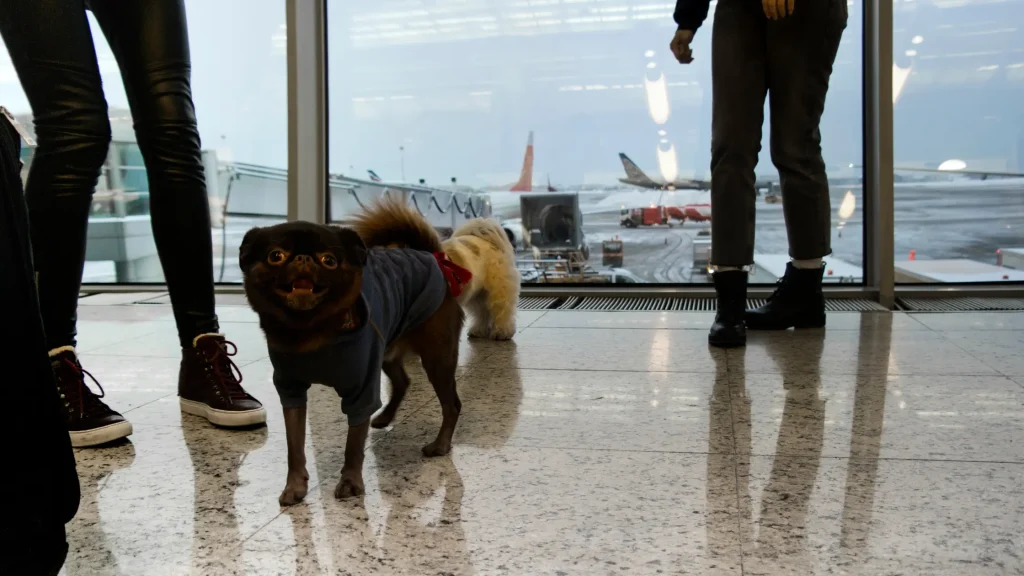
Traveling with pets across international borders requires careful planning and strict adherence to airline rules, government regulations, and safety standards. Aer Lingus ensures pets travel safely, but understanding the requirements in advance is essential for a stress-free journey.
Health Checks and Vaccinations
Before traveling internationally, your pet must be in excellent health:
- Ensure all vaccinations are up-to-date, including rabies, and carry official vaccination certificates.
- Some countries may require additional vaccines or health screenings, so check the entry requirements well before your trip.
- A veterinary health certificate issued close to your departure date may be required, confirming your pet is fit to travel.
Tip: Schedule a vet appointment at least 4–6 weeks before travel to allow time for vaccinations and paperwork.
Quarantine and Veterinary Inspection
Certain countries have strict entry rules for pets:
- Quarantine: Some destinations require pets to stay in a government-approved facility for a period before being released.
- Veterinary Inspection: Pets may need to undergo inspection upon arrival to verify health, vaccinations, and microchip information.
- Advance Research: Check your destination’s regulations early to avoid unexpected delays or denied entry.
Tip: Countries may have different quarantine lengths depending on vaccination history, species, and origin country.
IATA Live Animal Regulations
Aer Lingus strictly follows International Air Transport Association (IATA) Live Animal Regulations to ensure pet safety during air travel:
- Crate Standards: Crates must be sturdy, well-ventilated, and appropriately sized for your pet.
- Labeling: Include your name, contact info, and flight details clearly on the crate.
- Handling Procedures: Staff are trained to handle crates carefully, reduce stress, and maintain comfort during loading, unloading, and transit.
Tip: Using an IATA-approved crate is mandatory for checked baggage and cargo travel. It also helps avoid delays at the airport.
Breed and Size Restrictions
Some pets may not be allowed on certain routes due to health or safety concerns:
- Brachycephalic breeds (short-nosed dogs and cats) are often restricted because of breathing difficulties during air travel.
- Very large pets may need to travel via special cargo arrangements, as cabin or standard checked baggage travel is not possible.
- Seasonal weather conditions may also affect which pets are allowed, especially for temperature-sensitive breeds.
Tip: Always check both Aer Lingus policies and destination regulations for breed or size limitations.
Planning Ahead for Stress-Free International Travel
Proper preparation ensures your pet’s journey is safe and comfortable:
- Early Booking: Reserve your pet’s spot as soon as you book your flight. Cargo and checked baggage spaces for pets can fill quickly.
- Documentation Ready: Keep passports, vaccination records, microchip info, and veterinary certificates organized and easily accessible.
- Crate Familiarization: Let your pet spend time in the crate before the flight so it feels familiar and secure.
- Arrival Preparation: Arrive at the airport early to complete check-in, customs clearance, and any last-minute inspections.
By planning ahead, you reduce stress for your pet, yourself, and airline staff, while ensuring compliance with all international regulations.
Tips for a Smooth and Stress-Free Pet Travel Experience with Aer Lingus
Flying with pets can be a wonderful experience if planned carefully. By following these tips, you can ensure that your furry friend travels safely, comfortably, and happily, while keeping your own journey stress-free.
Book Early – Secure Your Pet’s Spot
- Pet travel spots, especially on long-haul flights, are limited and tend to fill up quickly.
- Booking early gives you flexibility in choosing the best travel option, whether cabin, checked baggage, or cargo.
- Early reservation also allows Aer Lingus staff to prepare the right arrangements for your pet, including crate space, temperature control, and special handling.
Tip: Try to book at the same time you book your flight ticket to avoid last-minute issues.
Use Proper, IATA-Approved Carriers
- Always use a sturdy, certified IATA crate that meets size, ventilation, and safety standards.
- Ensure your pet can stand, turn, and lie down comfortably inside.
- Add familiar items like a blanket, toy, or clothing with your scent to reduce stress during the flight.
Tip: If your pet is traveling via cargo, clearly label the crate with your name, flight details, and destination to avoid confusion.
Prepare Documentation in Advance
- Bring all required documents, including:
- EU Pet Passport
- Vaccination and rabies certificates
- Microchip information
- Veterinary health certificates, if needed for international travel
- EU Pet Passport
- Having all paperwork organized prevents delays at check-in or customs.
Tip: Keep both physical and digital copies in case they are requested during transit.
Comfort Your Pet
- Offer a light meal and water before the flight, avoiding overfeeding to prevent nausea.
- Place familiar items, such as blankets or toys, in the crate to create a sense of home.
- Maintain a calm environment during check-in and boarding; pets often pick up on your energy, so staying relaxed helps them stay relaxed too.
Tip: For nervous pets, allow them to acclimate to the crate at home before travel.
Communicate with Aer Lingus Staff
- Aer Lingus staff are trained to assist pets traveling in the cabin, checked baggage, or cargo.
- Inform staff of special needs, medical conditions, or behavior concerns during check-in.
- Cabin crew can help with service animals or accommodations, ensuring your pet’s comfort throughout the flight.
Tip: Don’t hesitate to ask for help – airline staff are there to make travel smoother for both you and your pet.
Additional Practical Tips
- Arrive Early: Extra time at the airport allows for check-in, documentation review, and crate handling without stress.
- Plan for Relief Breaks: If your pet is traveling in the cabin or checked baggage for short-haul flights, make sure they have an opportunity to relieve themselves before departure.
- Monitor Weather Conditions: Avoid travel during extreme temperatures to ensure your pet stays safe and comfortable.
- Check Destination Rules: Some countries have specific quarantine or import requirements, so confirm these before departure.
Additional Considerations – Ensuring a Safe and Comfortable Pet Journey
Flying with pets involves more than just booking a ticket and bringing a crate. To ensure your pet’s journey is safe, comfortable, and compliant with airline and international regulations, there are several additional considerations you should keep in mind.
Weather and Seasonal Restrictions
- Extreme temperatures can impact your pet’s ability to travel safely.
- Cold weather: Pets may not be allowed to fly if temperatures fall below 45°F (7°C).
- Hot weather: Pets may be restricted if temperatures exceed 85°F (29°C).
- Cold weather: Pets may not be allowed to fly if temperatures fall below 45°F (7°C).
- Airlines enforce these restrictions to protect pets from heat stress or hypothermia, especially when traveling via cargo or as checked baggage.
Tip: Check the weather forecast at departure and arrival airports and plan your flight during moderate conditions whenever possible.
Health and Medical Readiness
- Pets must be in good health before flying.
- Manage any chronic or ongoing medical conditions in advance, and have your veterinarian confirm that your pet can safely travel.
- Bring medications, supplements, or special dietary items in clearly labeled containers.
- If your pet has recent injuries, surgeries, or stress-related conditions, consult your vet for guidance on whether air travel is safe.
Tip: Schedule a pre-flight check-up to address any concerns and obtain a health certificate if required.
Destination-Specific Requirements
- Different countries and regions have unique rules for pet importation.
- Some require import permits for pets.
- Others mandate specific vaccinations, microchips, or health inspections.
- Quarantine rules may apply depending on the origin and species of your pet.
- Some require import permits for pets.
- Failing to comply with these requirements can result in delays, fines, or refusal of entry for your pet.
Tip: Research your destination’s pet regulations well in advance and make sure all documentation is complete and up-to-date.
Breed and Species Considerations
- Certain breeds, particularly brachycephalic (short-nosed) dogs and cats, may face additional travel restrictions due to breathing difficulties.
- Exotic pets, non-domestic species, or animals not recognized by IATA may require special handling or may be prohibited altogether.
Tip: Verify with Aer Lingus and relevant authorities that your pet meets travel eligibility requirements before booking.
Stress Reduction and Comfort
- Flying can be stressful for pets, so consider steps to reduce anxiety:
- Familiar toys, blankets, or clothing with your scent can provide comfort.
- Speak softly and calmly during check-in and boarding.
- Allow your pet to familiarize themselves with the crate before departure.
- Familiar toys, blankets, or clothing with your scent can provide comfort.
Tip: Avoid sedatives unless prescribed by your veterinarian, as some can adversely affect your pet’s health during air travel.
Conclusion
Traveling with pets can be a joyful experience when done thoughtfully, and Aer Lingus provides a clear, supportive framework to make it as smooth and comfortable as possible for both you and your furry companion.
Key takeaways:
- Cabin Travel: Only trained service dogs are permitted to fly in the cabin alongside their owners. This ensures essential support while keeping the cabin safe and comfortable for all passengers.
- Checked Baggage or Cargo: All other pets, including dogs, cats, and rabbits, must travel either as checked baggage or via cargo, depending on their size, weight, and destination. Aer Lingus ensures these animals are monitored, handled carefully, and provided with a secure environment throughout the flight.
- Early Booking and Proper Preparation: Reserving your pet’s spot well in advance, using IATA-approved crates, and having all documentation ready—including health certificates, vaccination records, and microchip information—helps avoid delays and makes the journey smoother for everyone.
- Comfort and Safety: From check-in to arrival, Aer Lingus staff are trained to monitor pets, provide appropriate care, and address any special needs, ensuring your companion remains calm, safe, and comfortable throughout the journey.
By understanding Aer Lingus’ pet policies, fees, and preparation steps, you can reduce stress, avoid surprises, and focus on enjoying the travel experience. With careful planning, your pet can have a safe, comfortable, and happy journey, allowing you to share in the joy of travel together.
Tip: Treat the process as a step-by-step preparation, from documentation and crate selection to pre-flight comfort and in-flight monitoring. When done right, flying with your pet can be just as enjoyable as traveling yourself.
FAQs – Aer Lingus Pet Policy
The Aer Lingus pet policy lets you bring pets on flights as checked baggage or cargo. If you have a trained dog that helps you, you can have it in the cabin with you.
You can only bring trained dogs that help people with special needs in the cabin. All other pets must fly through Aer Lingus cargo pets or as checked baggage.
To book Aer Lingus flying with pets, you need to arrange it ahead of time. Call Aer Lingus reservations or get in touch with IAG Cargo for Aer Lingus pet transport.
You can bring dogs, cats, and rabbits on Aer Lingus. They have to go as checked baggage or cargo if you fly in Europe. If you have a service dog, it can travel with you in the cabin.
Fees for flying with a pet on Aer Lingus change based on the route, how far you go, and how much your pet weighs. For short trips, prices start at about €40. If you are taking a long flight, the cost to travel with your pet can go up to €160.
The airline lets only certified dogs stay in the cabin with you. If you have any other pet, it needs to travel as Aer Lingus pets in cargo or as checked baggage.
If you want to move your pet with Aer Lingus cargo, you need to use an IATA-approved Aer Lingus pet carrier. To do this, you must book in advance. You can make a reservation by email or by phone.
For cabin pets like dogs that help people, the carrier must go under the seat. Other pets go in Aer Lingus pet carriers that the airline approves and travel in the cargo area.
Yes, some pets can go as checked baggage if they meet the airline’s rules about weight, breed, and type of carrier.
Read Also – Spirit Airlines Pet Policy, Finnair Pet Policy, Aer Lingus Pet Policy, Air India Pet Policy, EVA Air Pet Travel Policy, Avianca Pet Policy, SAS Pet Policy, Breeze Airways Pet Policy, Sun Country Airlines Pet Policy, Condor Airlines Pet Policy, British Airways Pet Policy, TAP Portugal Pet Policy, Volaris Pet Policy, Frontier Airlines Pet Policy, Lot Airlines Pet Policy, Turkish Airlines Pet Policy